Differences in Retention Periods for Chat Logs and Stream Videos on Live Platforms
Live streams do not remain available forever, and chat history often disappears even sooner than the recorded video. How long each is kept depends on the platform, the creator’s account, and whether the broadcast was archived. Some services automatically remove replays after a set period, while others keep them until the creator deletes them.
It’s also important to distinguish between content that users can still access and data a platform may retain internally for moderation or legal purposes. Losing access to a chat replay does not necessarily mean every related record has been permanently deleted.
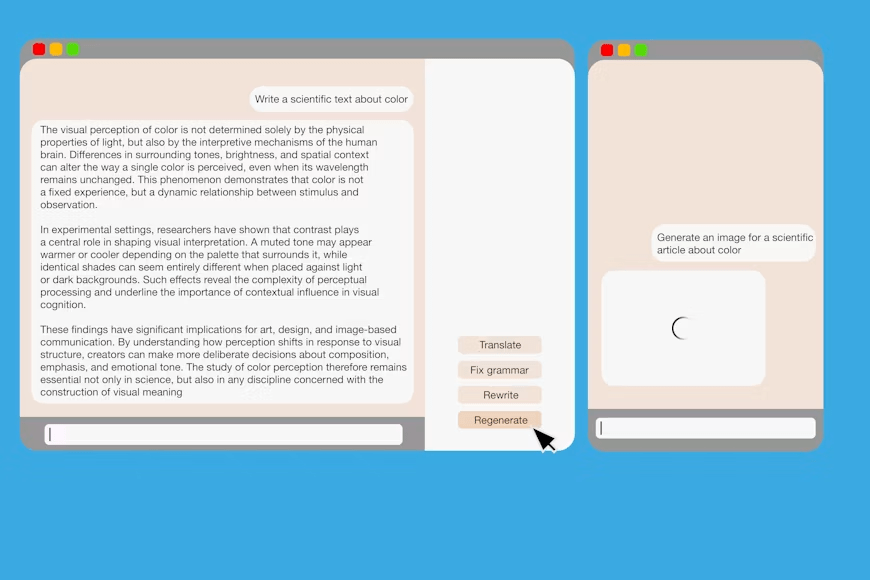
The Content Most Likely to Disappear After a Broadcast
Stream video and live chat do not always remain available for the same length of time.
A stream replay, often called a VOD, is the recorded version of a completed broadcast. Depending on the service, it may be posted to the creator’s channel automatically, saved only when an archive option is enabled, or held privately for a limited download period.
Chat is more complicated. On some services, messages are replayed beside the archived stream. On others, viewers lose access as soon as the broadcast ends. Platforms may also preserve separate moderation records that are not available as a public chat archive.
This creates several possible outcomes. The video may remain online with synchronized chat, the video may remain without chat, or both may disappear together. A platform may also remove the public copy while retaining information internally for safety, fraud prevention, legal requests, or enforcement of its terms.
Creators should therefore treat video availability and chat availability as separate questions rather than assuming one guarantees the other.
Public Replays and Internal Records Serve Different Purposes
Public replays and internal platform records are not the same. A VOD or chat replay is content that creators and viewers can access, while internal records are kept by the platform for purposes such as moderation, security, or legal compliance. This is why a chat replay may disappear even though the platform still retains some data internally.
Most platforms publish clear retention periods for public videos but rarely disclose how long internal moderation records are kept. Unless an official policy states otherwise, it is safer to say that a chat is no longer available to users rather than assuming every copy has been permanently deleted.

Twitch Gives Different VOD Windows to Different Accounts
Twitch only keeps archived broadcasts for a limited time, and Past Broadcast Storage must be enabled for VODs to be saved. According to Twitch, VODs are stored for 7 days on standard eligible channels, 14 days for Affiliates, and 60 days for Partners, Turbo, and Prime users. After that, the broadcast is automatically removed unless the creator has downloaded or exported it.
Chat replay is available only while the archived VOD remains accessible, and Twitch does not provide viewers with a permanent, searchable archive of past chat messages. Since clips are stored separately from full broadcasts, creators should download important VODs soon after streaming instead of relying on Twitch’s retention period.
YouTube Keeps Chat Replay With the Stream Archive
YouTube handles completed livestreams more like regular channel videos. After a stream ends and is archived, Live Chat Replay is available alongside the recording and recreates the conversation as it appeared during the broadcast. The feature is enabled by default, although the creator can turn it off.
YouTube does not publish a standard seven-, fourteen-, or thirty-day automatic expiration period for ordinary archived livestreams. A stream can remain on the channel until the creator deletes it, changes its visibility, or YouTube removes it under its policies.
The chat replay depends on the archive. If the livestream was not archived, the video is deleted, or chat replay is disabled, viewers cannot use the video page to revisit that conversation.
A private video is not necessarily deleted, but access is restricted to the people permitted by the creator. An unlisted video can generally still be opened by someone who has the link. These settings affect availability even though the underlying video may still exist.
YouTube is therefore more suitable for creators who want completed streams to remain viewable for an extended period. It should still not be treated as the only backup, since account problems, copyright enforcement, accidental deletion, or privacy changes can remove access.
TikTok LIVE Replays Remain Available for 30 Days
TikTok saves past LIVE recordings as LIVE Replays. These are available to the creator for viewing and downloading for 30 days after the broadcast.
The replay is managed through TikTok Studio or the LIVE Center rather than functioning as a permanent public VOD library similar to a YouTube channel. During the 30-day period, creators can download the recording, create clips, or remove it.
After that period, the creator should not expect the replay to remain available through the normal TikTok LIVE Replay feature. Anyone who wants to reuse the broadcast for shorter videos, evidence of a transaction, a product demonstration, or records of a live event should download it before the deadline.
TikTok does not present creators with a permanent public archive of all historical LIVE comments. The company also does not publish a simple user-facing rule stating that every internal LIVE chat record is deleted after the same 30-day replay period.
The practical rule is therefore to preserve any important comments while the LIVE is taking place or soon after it ends. The availability of the video replay should not be treated as proof that a complete chat record can later be recovered.
Facebook Live Recordings Now Have a 30 Day Limit
Facebook previously allowed many Live videos to remain on profiles and Pages for much longer periods, but Meta changed its storage policy.
Current Meta guidance states that published Facebook Live broadcasts are kept on the creator’s Page or profile for 30 days. During that period, the creator can share the replay, download it, delete it, or create shorter content from it. After the storage period, the Live video is removed unless the creator has saved it elsewhere.
This rule makes Facebook Live closer to TikTok than to YouTube in terms of long-term availability. Businesses, community groups, churches, schools, sellers, and event organizers that use Facebook Live should download any broadcast they may need for records or future promotion.
Comments shown under a Facebook Live replay may remain visible while the post and video are accessible, but Meta does not provide a simple public promise that every Live comment will remain available for the same period in all contexts. Privacy changes, post deletion, group access, moderation actions, or account restrictions can remove access earlier.
Group livestreams require additional care because visibility also depends on the group’s privacy settings and continued membership. A person may lose access even before the video reaches its normal deletion date.
Removal Can Occur Before the Normal Deadline
Published retention periods describe the maximum normal availability, not a guarantee that every stream will remain accessible until the last day.
A creator can delete a replay manually. A video may also be removed because of copyright claims, community-rule violations, account suspension, privacy complaints, or legal requirements. On YouTube, archived livestreams may receive Content ID claims after the broadcast has ended.
Archiving settings also matter. A Twitch stream will not appear as a past broadcast if VOD storage was not enabled. A failed or interrupted archive may also leave no usable replay.
Visibility changes create another form of apparent disappearance. A private YouTube stream, a Facebook Live video inside a restricted group, or content limited to certain users may still exist but no longer be available to the person searching for it. Age restrictions can create a similar difference in visibility, as explained in Why Age-Restricted Live Streams Appear Differently Across Accounts.
Chat can disappear earlier when a creator disables replay, deletes the associated video, removes individual comments, or uses moderation tools. Messages deleted during the live session should not be expected to reappear later in the replay.
A Reliable Storage Routine for Streams and Chat
Creators who may reuse a broadcast should download it shortly after the session rather than treating the platform deadline as a target date.
The original recording should ideally be saved locally during the broadcast through streaming software. This provides a clean copy even if the platform fails to create a replay. A second copy can be stored on an external drive or cloud service for protection against device failure.
File names should include the date, platform, channel, and topic. This is far more useful than keeping a folder full of files named “live replay” or “stream download.”
Important chat requires a separate plan. A chat-logging bot or moderation tool can record messages while the broadcast is active, subject to the platform’s rules and applicable privacy requirements. This may be useful for giveaways, paid orders, audience questions, safety reports, or community moderation.
Screenshots may preserve a small number of key messages, but they are not a reliable substitute for a complete log. They can omit timestamps, usernames, surrounding context, and later edits.
For business or dispute-related records, creators should also preserve transaction data, moderation notes, order numbers, and relevant account details outside the streaming platform. A VOD alone may not contain enough information to reconstruct what happened.
The safest approach is simple: save the video immediately, preserve important chat during the live session, and never assume that a platform’s public archive is permanent. Twitch and Kick can remove VODs quickly, TikTok and Facebook currently provide 30-day windows, and YouTube archives may remain longer but are still vulnerable to deletion, enforcement, and account-level changes.